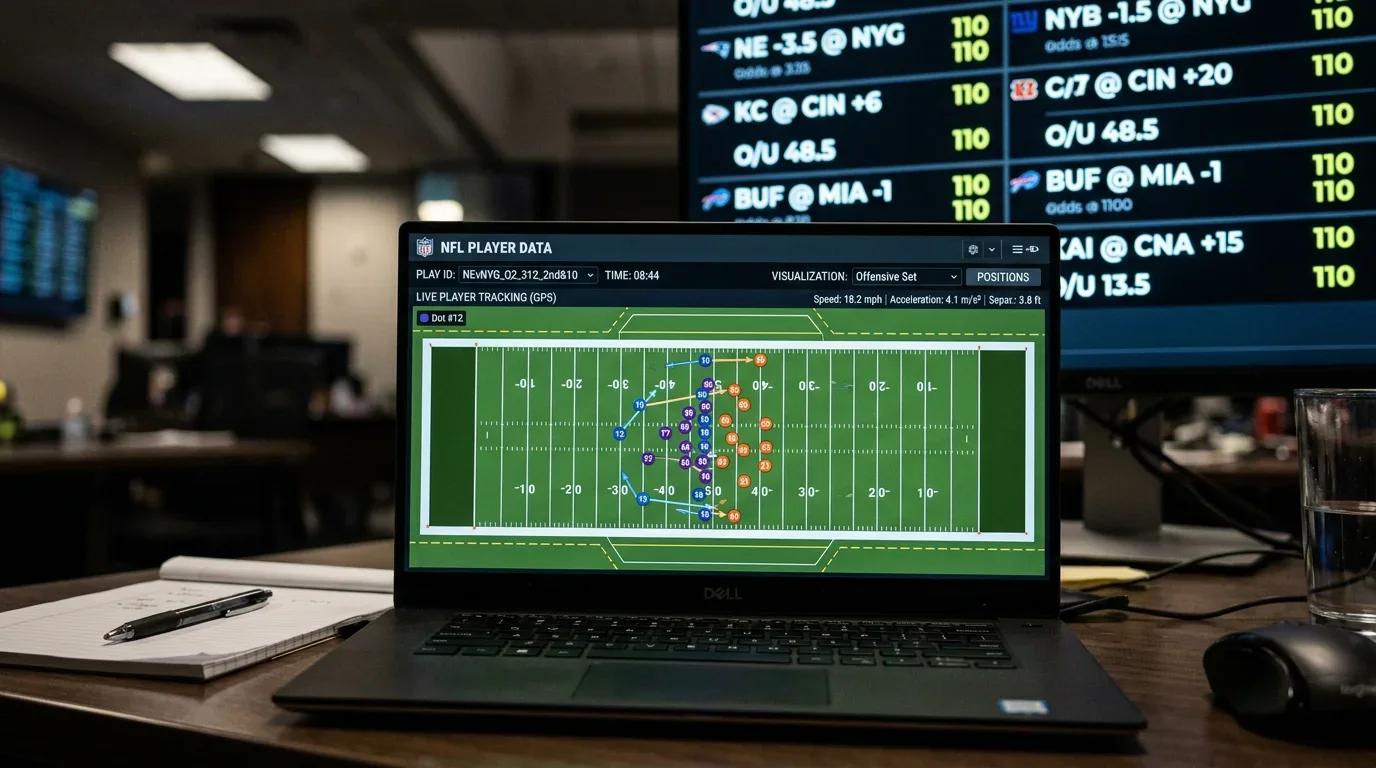
NFL Betting for Beginners: How Spreads, Moneyline and Totals Work for UK Punters
 Available in US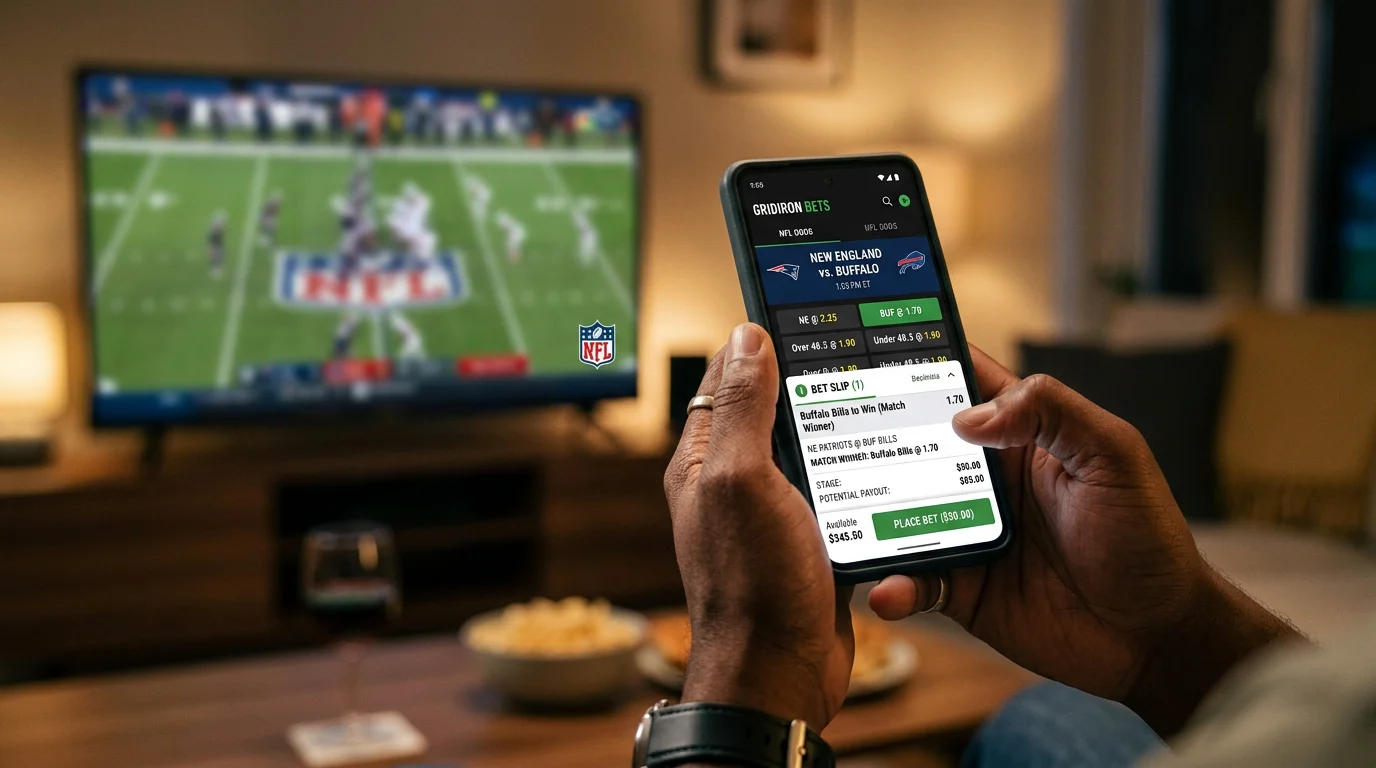
Nine years ago I placed my first NFL wager — a moneyline bet on the Denver Broncos because I liked the orange helmets. I lost. The reason I lost had nothing to do with bad luck. I simply did not understand what I was buying. If you are a UK punter who has just discovered American football — maybe through the London Games at Wembley, maybe through a late-night Red Zone binge — this guide exists so you skip the mistakes I made and actually understand what your money is doing before it leaves your account.
The NFL draws more than 14.3 million fans in the UK alone, and a growing share of those fans want to back their opinions with real stakes. The good news: the core bet types are straightforward once someone walks you through them without jargon. The bad news: almost every guide you will find online is written for an American audience using American odds formats and American sportsbook brands. This one is not. We will work in decimals and fractionals, reference bookmakers you can actually use, and build from zero.
What a Point Spread Actually Means
Picture two mates arm-wrestling. One is clearly stronger, so you give the weaker one a head start — say, the stronger bloke has to win by more than three seconds. That head start is the point spread. Bookmakers assign a number to equalise the contest so that both sides attract roughly equal action.
In a typical NFL matchup you will see something like Kansas City Chiefs -3.5 vs Miami Dolphins +3.5. The minus sign means the Chiefs are favoured — they need to win by four points or more for a spread bet on them to pay out. The plus sign means the Dolphins can lose by up to three points and your bet still wins. If you back the Dolphins at +3.5 and the final score is Chiefs 24, Dolphins 21, you win. The Dolphins lost the game, but they “covered” the spread.
The half-point matters. You will rarely see a whole number like 3.0 in modern markets because it creates the possibility of a push — a tie against the spread where stakes are returned. Bookmakers prefer clean outcomes, so .5 spreads dominate. When you do see a whole number, the push scenario is real and worth understanding before you place the bet.
A quick note on odds attached to the spread: in the UK you will usually see something like 1.91 in decimal format or 10/11 in fractional. That price means you risk more than you stand to win, which is how the bookmaker builds its margin. On a -3.5 spread priced at 1.91, a ten-pound stake returns 19.10 — your original tenner plus 9.10 in profit. Simple arithmetic, but worth doing before every bet so the numbers never surprise you.
Moneyline Bets: Picking the Winner, Full Stop
My first ever NFL bet was a moneyline, and honestly it is still the one I recommend to anyone starting out. No spread, no margin of victory — just pick the team you think wins. If they win by one point or forty-one, you collect.
The catch is price. Because there is no spread to level the field, the favourite costs more. You might see the Chiefs at 1.40 decimal (2/5 fractional) and the Dolphins at 3.10 (21/10). Backing the Chiefs means putting up twenty-five pounds to profit ten. Backing the Dolphins means a tenner returns thirty-one — but they actually have to win outright.
Moneyline bets shine when the spread is small — say, 1.5 or 2.5 points — and the favourite’s moneyline price is still reasonable. They also make sense in situations where you believe the underdog can genuinely win, not just keep it close. I tend to avoid moneyline wagers on heavy favourites priced below 1.30 decimal. The risk-reward ratio collapses: you tie up large sums for tiny returns, and one upset wipes out weeks of grinding.
For UK punters used to football (the round-ball kind), the moneyline is effectively the same as a match-result bet with no draw option. NFL games cannot end in a draw during the regular season thanks to the overtime rules, so there are only two outcomes. That binary simplicity is what makes it a clean entry point.
Totals: Betting the Over or Under
Forget who wins. Totals — also called over/unders — ask a single question: will the combined score of both teams finish above or below a number set by the bookmaker? A typical NFL total sits somewhere between 40.5 and 52.5 points, depending on the teams and conditions.
Say the total is set at 47.5. If the game finishes 27-24, that is 51 combined points — the over wins. If it finishes 17-13 (30 combined), the under wins. You are not predicting the exact score. You are making a judgement about the pace and style of the game: high-powered offences pushing the score up, or stingy defences grinding it down.
I find totals bets especially useful for beginners because they force you to study both teams rather than picking a side. You start asking better questions. How does this offence perform in cold weather? How many points does this defence allow per game at home? Those are the questions that lead you naturally into trend analysis, which is where real edges live. As a stepping stone to deeper spread and totals pattern analysis, totals bets train your eye for the numbers that matter.
Reading Your First NFL Betting Trend
The first time I looked at an ATS trend table I felt like I was reading a spreadsheet in a foreign language. Then someone told me to ignore everything except three columns: team name, games played, and cover percentage. Suddenly it clicked.
A betting trend is a pattern extracted from historical data. “The Buffalo Bills are 8-3 ATS as home favourites since 2024” is a trend. It tells you that in eleven games where Buffalo was favoured at home, they covered the spread eight times. That is a 72.7% cover rate, well above the 50% breakeven line. Americans wagered more than $30 billion through legal sportsbooks on the 2025 NFL season alone, and a huge chunk of that money was guided — wisely or not — by trends exactly like this one.
Here is the critical lesson I wish someone had hammered into me early: a trend is a starting point, not a conclusion. A team might be 8-3 ATS at home, but if two of those covers came against bottom-tier opponents who have since improved, the trend weakens. Context sharpens the number. Always ask why a trend exists before you trust it with your money.
Start simple. Pick one team you follow. Check their ATS record for the current season — most data sites display this for free. Note whether they cover more often at home or away, as favourites or underdogs. That single exercise teaches you more about practical trend reading than any textbook.
Placing Your First NFL Bet From the UK
You have a UKGC-licensed bookmaker account. You have identified a bet type and a trend that supports your hunch. Now what? Mobile devices account for roughly 80% of all sports wagers placed globally, and the UK is no exception — you will almost certainly be doing this on your phone.
Step one: navigate to the American Football or NFL section. During the season this is easy to find; outside it you may need to dig into an “Other Sports” menu. Step two: select the game. Step three: choose your market — spread, moneyline, or total. Tap the selection and it drops into your bet slip. Step four: enter your stake. I suggest starting with the minimum — usually one or two pounds. You are learning, not trying to retire early. Step five: confirm the bet and screenshot it. That screenshot habit saved me from more than one disputed settlement in my early days.
One thing that trips up UK beginners is odds format. Your bookmaker will default to fractional odds (e.g., 10/11) but you can usually switch to decimal (1.91) in the app settings. Decimal is easier for quick mental arithmetic: multiply your stake by the decimal number to get your total return. I switched years ago and never looked back.
Where Beginners Trip Up and How to Sidestep It
Every beginner I have mentored makes the same handful of errors, and none of them involve picking the wrong team. The most common mistake is betting too many games per week. The NFL plays roughly sixteen games on a Sunday; betting all sixteen is not analysis, it is noise. Pick two or three games where your research gives you genuine conviction, and leave the rest alone. The second mistake is ignoring bankroll discipline — treating a flutter as harmless fun until the losses quietly compound. Set a weekly limit before the season starts and treat it as non-negotiable.
What is the simplest type of NFL bet for a beginner?
A moneyline bet is the simplest starting point. You pick the team you believe will win outright — no spread, no margin calculations. If your team wins by any score, you collect. It mirrors the match-result bet familiar to UK football punters, with the added benefit that NFL games cannot end in a draw during the regular season.
How much money should a beginner risk on NFL bets?
Start with one to two percent of whatever amount you can afford to lose entirely. If your total bankroll is 200 pounds, that means two to four pounds per bet. This keeps you in the game long enough to learn without exposing you to damaging losses early on. As your understanding of trends and markets improves, you can reassess — but the percentage-based approach should stay constant regardless of your bankroll size.
Written by the editors at nfl Betting Trend.