NFL Betting Odds Comparison UK: Finding the Best Price Across Bookmakers
 Available in US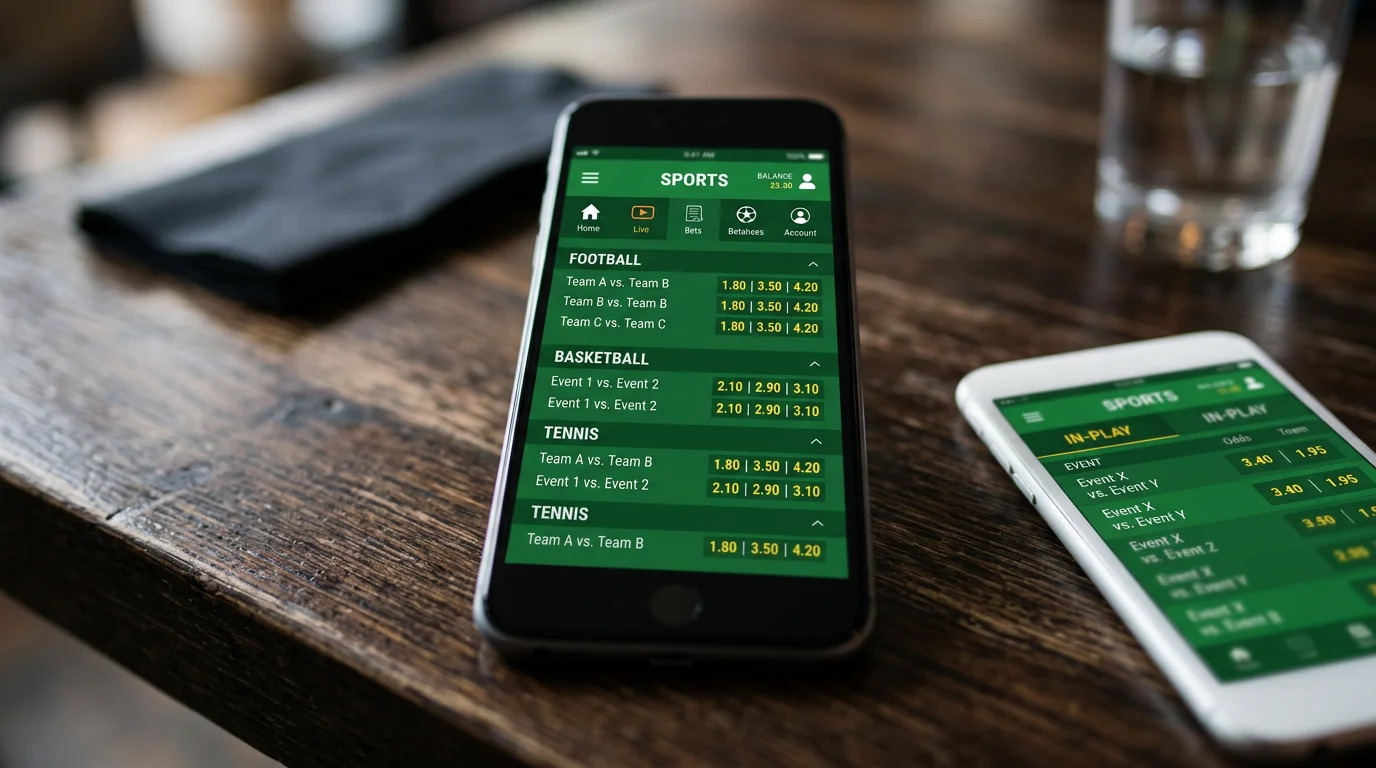
I lost more money to lazy odds acceptance in my first three years than I lost to bad analysis. Every week I would open whichever app was on my home screen, find the game, and tap the bet. It never occurred to me that the same wager might be priced at 1.91 on one platform and 1.95 on another. That 0.04 difference in decimal odds does not look like much on a single bet. Over a season of 200 bets it is the difference between a 2% return and a 4% return — or, more likely, the difference between a small loss and breaking even.
Why NFL Odds Differ Between UK Bookmakers
Every bookmaker builds its margin into the odds, but the size and placement of that margin varies. Flutter Entertainment — the parent of Sky Bet and Paddy Power — reported group revenue of $15.91 billion in 2025, a 17% increase year on year. William Hill captured 37.83% of paid search clicks in the UK sports betting segment in February 2026, with bet365 at 16.2%. These are massive operations with different pricing strategies, risk appetites, and customer profiles — and those differences produce different odds on the same event.
Some bookmakers price NFL markets aggressively to attract American-sport bettors, accepting thinner margins to build volume. Others treat NFL as a secondary market and pad the margin because they know most of their NFL customers are casual bettors who will not shop around. The result is a pricing landscape where the best available price on any given NFL spread can differ by 2-5% in implied probability between UK operators. That gap is where free money lives.
Understanding and Comparing Margins
The margin — also called overround or vig — is the bookmaker’s built-in edge. On a fair coin flip, both sides should be priced at 2.00 decimal (evens). Instead, a bookmaker might offer 1.91 on both sides, creating a total implied probability of 104.7%. That 4.7% is the margin. The lower the margin, the more value you retain as a bettor.
NFL spread margins in the UK typically range from 4% to 7%, depending on the operator and the game’s profile. High-profile games — Sunday Night Football, playoff fixtures — attract tighter margins because the volume is higher and competitive pressure forces pricing closer to fair value. Midweek or early-season games may carry wider margins because fewer bettors are shopping.
I calculate the margin for every game I bet by converting both sides’ decimal odds to implied probabilities and adding them. If the total is 105%, the margin is 5%. I then compare that margin across three to four bookmakers. The one with the lowest margin on my selected side gets the bet. Over a season, this discipline saves me 1-2% in margin cost — pure bottom-line impact that requires no analytical skill, just the willingness to open a second app.
Practical Odds Shopping: A Weekly Routine
The online platform generated 78.47% of UK sports betting revenue in 2024, which means most UK punters are placing bets digitally and have multiple operator apps installed on the same device. The barrier to shopping is not access — it is habit.
My routine is simple. I maintain accounts with four UK-licensed bookmakers. On Tuesday evening, when NFL lines open, I note the spread and price on my primary platform. On Thursday, once I have narrowed my shortlist to two or three games, I check the same markets across all four platforms. The comparison takes three minutes. I place the bet wherever the price is best.
Two pitfalls to avoid. First, do not let sign-up bonuses dictate where you bet after the initial offer expires. The long-term value is in consistently finding the best price, not in cycling through introductory promotions. Second, do not assume that the bookmaker with the best price on Game A will also have the best price on Game B. Pricing strategies differ by game, by market type, and by time of week. Check every time.
A third consideration that beginners overlook: odds move at different speeds on different platforms. A sharp bookmaker adjusts its NFL spread within minutes of significant action. A softer platform may lag by hours. If you spot a line that has not moved on one platform while others have already adjusted, you may be looking at stale odds — which is either an opportunity (if the stale price favours your position) or a trap (if the market has information you do not). Cross-referencing movement across platforms adds a layer of intelligence beyond raw price comparison.
Tools and Resources for UK Punters
Roger Goodell has described international markets as “very, very attractive” and highlighted the NFL’s growing coverage outside the US. That growth has pushed UK bookmakers to improve their NFL offerings — more markets, tighter lines, and better live coverage. But the tools for comparing those offerings are still basic compared to what American bettors use.
Odds comparison sites exist for UK operators, and several cover NFL markets during the season. They aggregate prices from licensed bookmakers and display the best available odds for each side of a spread, total, or moneyline. Mobile devices handle the overwhelming majority of UK wagers, and most comparison sites have responsive mobile interfaces that let you check prices on the go.
I recommend bookmarking one comparison site and checking it as a standard part of your weekly routine rather than attempting to build your own comparison spreadsheet. The time investment should be minimal — three to five minutes per game. If you are spending longer than that, you are over-optimising. The goal is to ensure you are never taking a significantly worse price than what is available, not to squeeze the last 0.01 from every bet. The UK betting guide covers the broader landscape of licensed operators and how to evaluate them beyond price alone.
How much difference can odds shopping make over an NFL season?
Over a season of 150-200 bets, consistently finding the best available price can improve your returns by 1-2 percentage points. On a standard spread bet, the difference between 1.91 and 1.95 decimal odds translates to roughly 2% in expected value per wager. Compounded across hundreds of bets, that margin savings is often the difference between a losing season and a profitable one — all without any improvement in analytical accuracy.
Which UK bookmakers consistently offer the tightest margins on NFL markets?
Margins vary by operator, by game profile, and by time of week, so no single bookmaker is consistently the cheapest across all NFL markets. High-profile games tend to be priced more tightly across the board due to competitive pressure. The most reliable approach is to maintain accounts with three to four UK-licensed operators and compare prices on each specific game rather than assuming one platform will always be best.
Written by the editors at nfl Betting Trend.