NFL Home vs Away Betting Trends: How Location Shapes Spreads and Cover Rates
 Available in US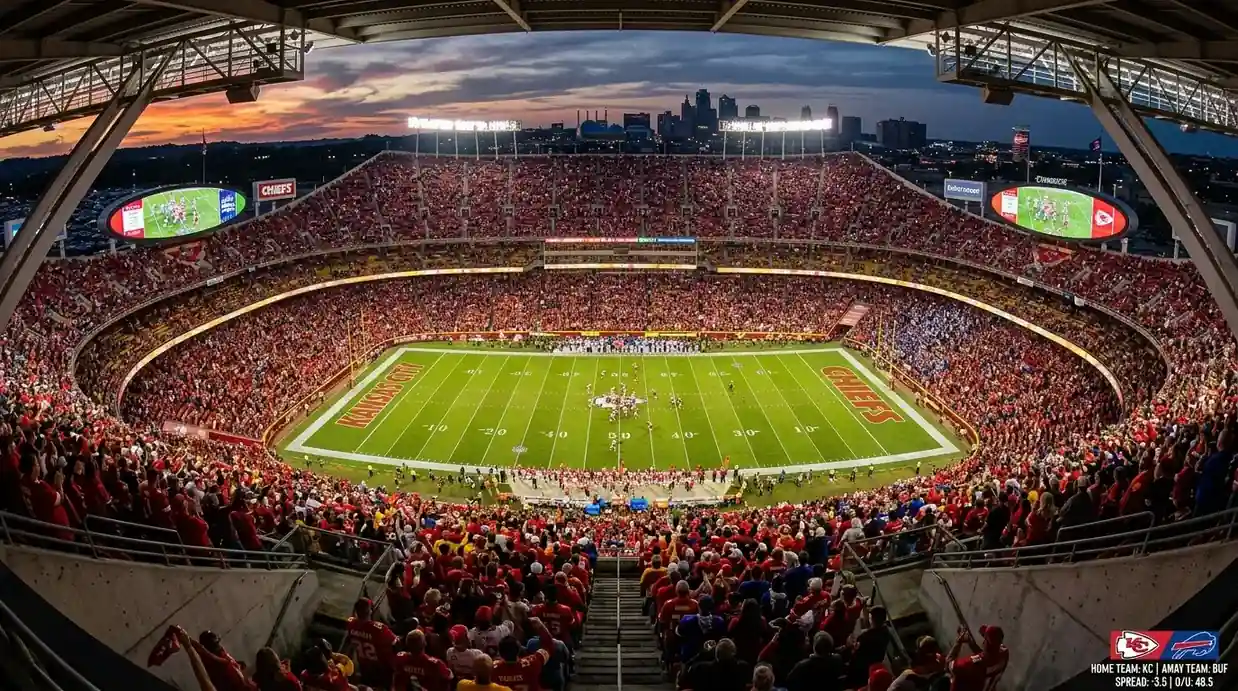
I once bet against the Seattle Seahawks at CenturyLink Field because the numbers said their opponent was the better team. The numbers were right — and I still lost. The stadium was so loud that the visiting offence committed three false-start penalties in the first quarter alone. That day taught me a lesson no spreadsheet ever could: location is not a footnote in NFL betting. It is a variable that warps the entire equation.
Home-field advantage in the NFL has been debated, measured, and occasionally dismissed for decades. What the data actually shows is more nuanced than either the believers or the sceptics admit. The advantage exists, but it has shrunk over time, varies dramatically by venue, and interacts with weather, altitude, and scheduling in ways that matter to anyone placing a spread bet from the UK.
Measuring Home-Field Advantage in the Spread
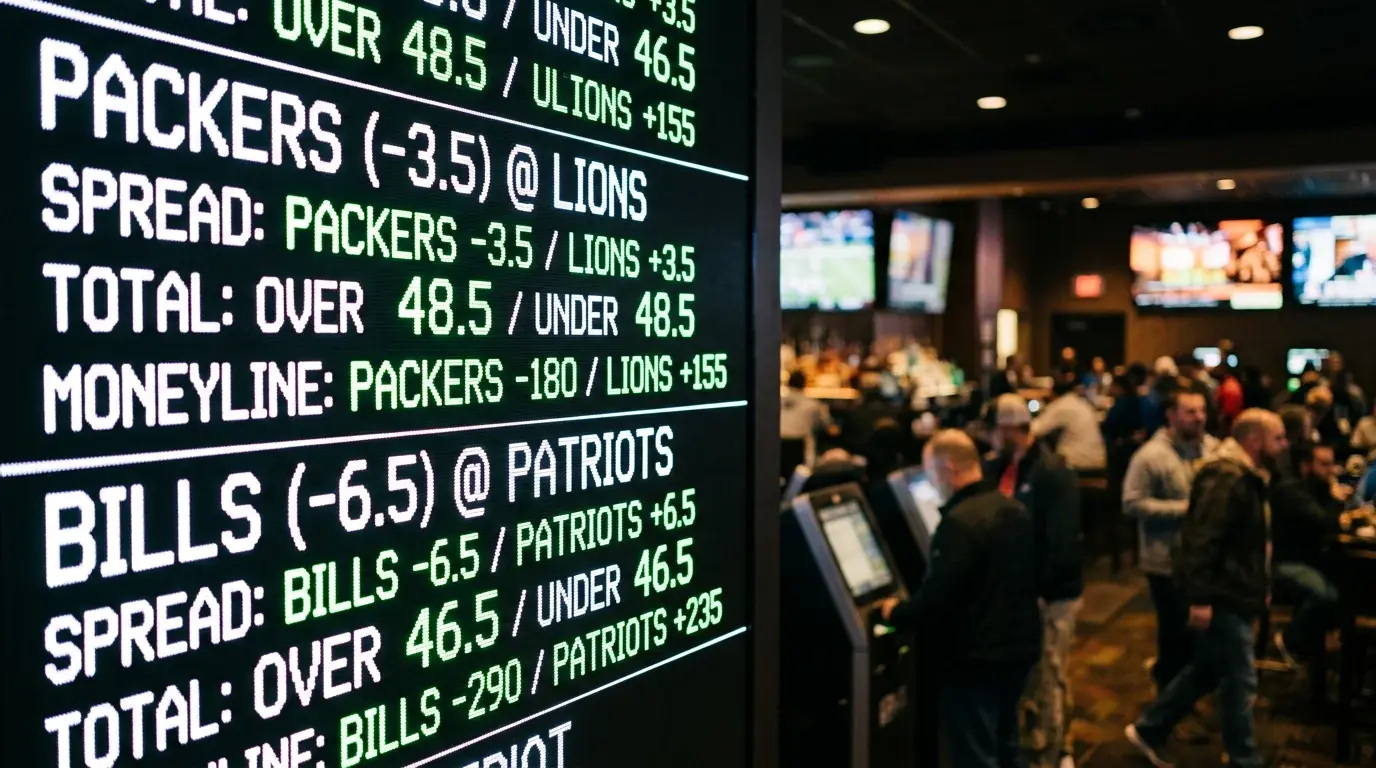
Bookmakers build home-field advantage directly into the line. The standard adjustment has historically been around three points — meaning a neutral matchup between two equal teams would be set at Home -3 rather than a pick’em. But that three-point number is not fixed. Over the last five seasons, the effective home-field edge has drifted closer to two points in aggregate, and some analysts argue it is approaching 1.5.
Why the decline? Several factors compound. The NFL’s salary cap creates parity, which compresses talent gaps. Improved travel logistics — chartered flights, hotel routines, noise-cancelling headphones — reduce the discomfort of being on the road. And the rise of dome stadiums eliminates weather as a home advantage for teams that play indoors. The record NFL attendance at Wembley — 86,651 for a regular-season London Game in October 2024 — proves that atmosphere can be manufactured anywhere. What it cannot replicate is the cumulative familiarity of a team playing on its own field sixteen weeks a year.
For bettors, the shrinking home edge means that lines built on the old three-point assumption occasionally overprice the home team. When that happens, the road team offers value against the spread — not because they are better, but because the market has not fully adjusted to a structural shift.
Road Teams and Cover Rates
Here is a number that surprises most people I share it with: road favourites in the NFL cover the spread at roughly 53-54% over the last decade. That is well above breakeven and counterintuitive — you would expect the team without home-field advantage to struggle, not to outperform the number. The explanation is market-driven. When a road team is good enough to be favoured despite playing away, the public is already suspicious of them. That suspicion suppresses the spread, giving the genuinely superior team a more manageable number to cover.
Road underdogs are a different story. Their cover rate hovers around 50-51% — not bad, but not a standalone edge. Where road dogs become interesting is in specific contexts: short spreads of 1 to 3 points, divisional rematches where the underdog split the season series, or weather-affected outdoor games where conditions neutralise the home team’s offensive firepower. Without those filters, road underdogs are essentially a coin flip against the spread.
What I have learned to watch for is the line itself telling you something. If a road team opens as a 2-point underdog and the line moves to 1 — despite the majority of tickets landing on the home side — that reverse movement signals sharp money backing the visitor. It does not guarantee a cover, but it tells you that informed bettors see the same value you suspect. Combine that line movement with a concrete situational factor and you have a bet worth sizing up.
Dome Teams on the Road: A Hidden Variable
I track a handful of recurring edges, and one of my favourites involves dome teams playing outdoors in November, December, and January. Teams accustomed to climate-controlled stadiums — think the Atlanta Falcons, Las Vegas Raiders, or Minnesota Vikings — show a measurable ATS drop when they travel to cold, windy outdoor venues late in the season.
The effect is not huge — roughly two to three percentage points below their overall ATS average on the road — but it is consistent enough to serve as a tiebreaker when I am weighing two potential bets. The reverse also holds to a lesser degree: outdoor teams travelling to a dome tend to see their ATS performance tick up slightly, possibly because the controlled environment neutralises any adverse conditions they might have otherwise exploited at home.
The global sports betting market reached $111.9 billion in 2025, and an increasing share of bettors use granular situational data like this to inform their selections. Dome-vs-outdoor splits are not a magic formula, but they add a layer of precision that raw home-away splits miss entirely.
Crowd Noise and the Intangible Factor
Numbers drive my process, but I will never pretend that crowd noise is irrelevant — because the data says otherwise. False-start penalties by visiting teams correlate with stadium decibel levels. Crowd noise disrupts snap counts, forces offences into silent counts, and creates communication breakdowns that do not show up in any pre-game model. Over 6 million people watched the London Games in 2025 via television and streaming, and anyone who tuned in heard how loud a UK crowd can get for a sport they adopted barely a generation ago.
From a betting perspective, crowd noise is already baked into the spread through the home-field adjustment. The question is whether certain venues deserve a larger adjustment than the market provides. Arrowhead Stadium in Kansas City, Lumen Field in Seattle, and the Superdome in New Orleans have historically produced higher home cover rates than the league average. If I am betting a road team into one of those venues, I add half a point to my personal spread estimate as a buffer. If the bet still looks good after that adjustment, it is worth taking. If it does not, I walk away.
The broader lesson is that home-away splits are a starting framework, not a finished product. Layer in dome-vs-outdoor data, weather, rest, and venue-specific crowd effects, and you transform a blunt tool into something with genuine predictive texture. That is where the edge lives — not in the headline stat, but in the overlay.
Has NFL home-field advantage in betting declined in recent seasons?
Yes. The effective home-field edge in the NFL has dropped from roughly three points to closer to two points over the last five seasons. Salary-cap parity, improved travel logistics, and the growing number of dome stadiums have all contributed. For bettors, this means lines that still assume a traditional three-point home advantage occasionally overprice the home team, creating value on road sides.
Do dome teams perform differently against the spread when playing outdoors?
Dome teams show a measurable ATS decline — roughly two to three percentage points below their overall road average — when playing in cold, windy outdoor stadiums during the second half of the season. The controlled environment they train and play in does not prepare them for adverse weather, which compresses scoring and disrupts offensive rhythm. The effect is consistent enough to use as a situational filter but should be combined with other factors rather than relied on alone.
Published by the nfl Betting Trend team.