NFL Prop Bet Trends: Player and Game Props — Where the Value Hides in 2026
 Available in US
I ignored prop bets for my first five years. Spreads and totals felt like the serious markets; props felt like novelty bets for people who wanted to wager on the coin toss. Then I ran a season-long experiment in 2021, tracking player rushing and receiving props against actual outcomes, and discovered that the margins on props were wider than anything in the traditional markets. The bookmaker’s edge on a standard spread is roughly 4.5%. On some player props, it exceeds 8% — but the lines are also softer, which means informed bettors can find pockets of genuine value that barely exist in the main markets.
Player Props: The Basics and the Opportunity
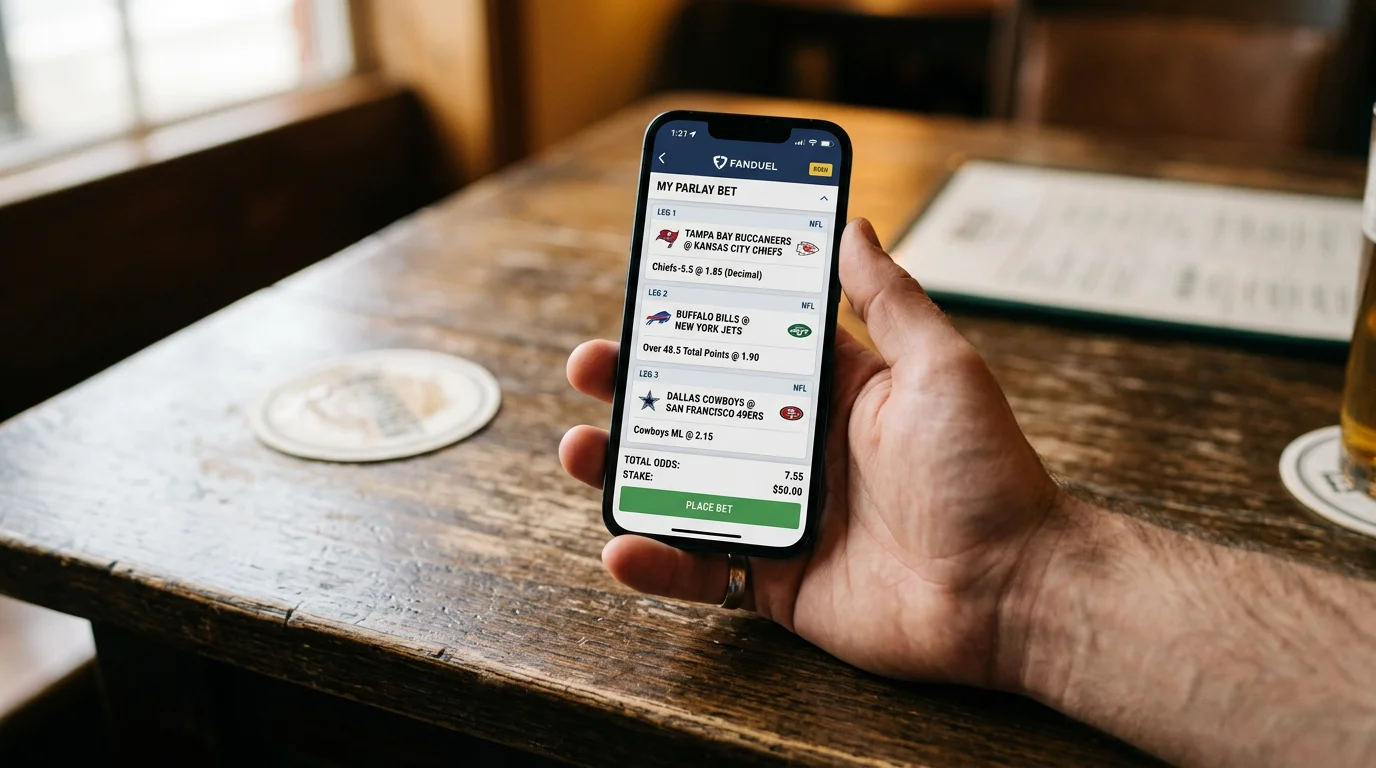
A player prop is a bet on an individual performance metric: passing yards, rushing yards, receiving yards, touchdowns scored, receptions made. You are not betting on whether a team wins or covers — you are betting on whether a specific player exceeds or falls short of a number set by the bookmaker. Live and in-play wagering now represents 53.4% of all bets globally, surpassing pre-match for the first time in 2026, and player props are a major driver of that growth because they keep bettors engaged on a play-by-play basis.
The opportunity in player props lies in the fact that bookmakers cannot devote the same modelling depth to every prop that they dedicate to the spread. Americans wagered $30 billion on the 2025 NFL season, and the prop market absorbed a growing share of that handle — but the lines are set by smaller teams with less data scrutiny. A bookmaker’s spread line is battle-tested by sharp accounts within hours of opening. A player receiving-yard prop on a secondary target might sit untouched until Saturday.
My approach is to specialise. I do not try to evaluate every player prop across every game. Instead, I focus on three to five players per week whose usage patterns I know deeply — their route trees, their target shares, their red-zone roles. That depth of knowledge lets me identify mispriced lines faster than someone scanning the entire board.
Rushing and Receiving: Where the Edges Are Widest
Rushing props are my highest-conviction category. Running-back usage is highly predictable once you know a team’s game script. A team that is favoured by 7 or more points is likely to run the ball heavily in the second half to protect a lead. That run-heavy script pushes the featured back’s rushing total up in a way the prop line does not always capture, because the line is set based on season averages rather than game-specific context. The global American football betting market hit $9.5 billion in 2026, and a disproportionate amount of prop money goes on the flashier passing categories while rushing props sit comparatively under-bet.
Receiving props require more nuance. A receiver’s yardage depends on target volume, which depends on game script, defensive scheme, and whether the opposing team shadows the number-one receiver. I check defensive pass coverage data before setting a position on any receiving prop. If a defence consistently plays zone coverage, the slot receiver benefits from soft coverage underneath. If a defence plays man coverage, the outside receiver with elite speed gets more deep-shot opportunities. Matching the receiver’s route tree to the defensive tendency is where the edge lives.
Passing props — total yards, touchdowns, interceptions for the quarterback — are the tightest market because they attract the most attention. I rarely find value in quarterback passing yards unless there is a clear weather or injury angle that the prop line has not absorbed. If I am betting a passing prop, it is almost always the under in a game with projected high winds or a clear run-heavy game script.
Game Props: Beyond Individual Performances
Game props cover outcomes that are not directly tied to a single player: total touchdowns in the game, first team to score, will there be a safety, total punt return yards, and dozens more. The variety is vast but the value is uneven. Some game props are razor-sharp; others are set with wide margins because the bookmaker knows the volume will come from recreational bettors who do not calculate expected value.
First-half and first-quarter spreads are the game props I find most useful. They isolate a specific phase of the game where coaching tendencies and scripted play-calling create predictable patterns. Teams with aggressive opening scripts — think Sean McVay’s early-drive designs — outperform their first-quarter spreads more consistently than their full-game numbers would suggest. Conversely, teams with slow starts but strong second-half adjustments (several Andy Reid-era offences fall into this category) are first-half under candidates whose full-game lines mask the phase-specific tendency.
Finding Prop Edges as a UK Punter
Bill Miller of the American Gaming Association has described legal sports betting as enhancing the fan experience, and props are the ultimate fan-engagement product. For UK punters, the practical challenge is access: not all UK-licensed bookmakers offer the full depth of NFL props that American sportsbooks provide. Major UK operators typically cover the core categories — passing, rushing, receiving, and anytime touchdown scorer — but niche props like defensive sacks or special-teams returns may be limited.
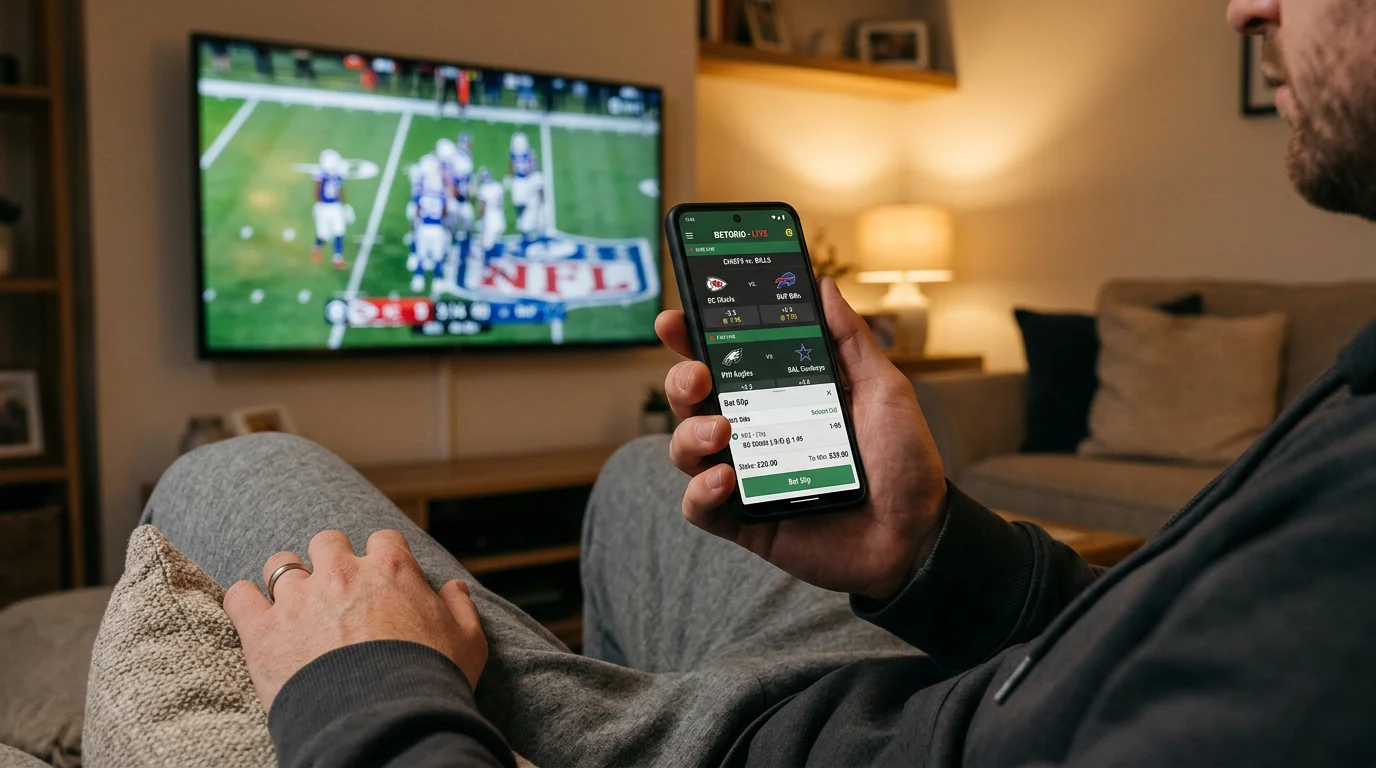
My recommendation: open the NFL props section on your bookmaker’s app by Wednesday each week and note which lines are available. Compare the rushing and receiving totals against the player’s underlying spread context — is this a game where the team is likely to run heavily or pass aggressively based on the spread? If the prop does not align with the expected game script, you may have found a mispriced number.
Track your prop bets separately from your spread and totals bets. The variance on props is higher — a single big play can swing a rushing prop from under to over in real time — so your hit rate will fluctuate more than in traditional markets. Over a season-long sample, the edge should compound, but only if you maintain the discipline to bet within your bankroll limits and avoid chasing losses on high-variance prop markets.
Are NFL player prop markets softer than spread and totals markets?
Generally yes. Bookmakers dedicate less modelling depth to individual player props than to the main spread and totals lines. The spread is stress-tested by sharp accounts within hours of opening, whereas a receiving-yard prop on a secondary target may sit unscrutinised until Saturday. This relative softness creates wider margins for informed bettors who specialise in specific players and understand usage patterns deeply.
Which player prop categories offer the most consistent value?
Rushing props tend to offer the widest edges because running-back usage is highly predictable based on game script. A team favoured by a large spread is likely to run heavily in the second half, boosting the featured back’s total beyond the season-average-based line. Receiving props can also offer value when matched against specific defensive coverage tendencies, but they require more nuanced analysis. Passing props are the tightest category and rarely offer value without a clear weather or game-script angle.
Created by the ”nfl Betting Trend” editorial team.